Sleep-System Accessories
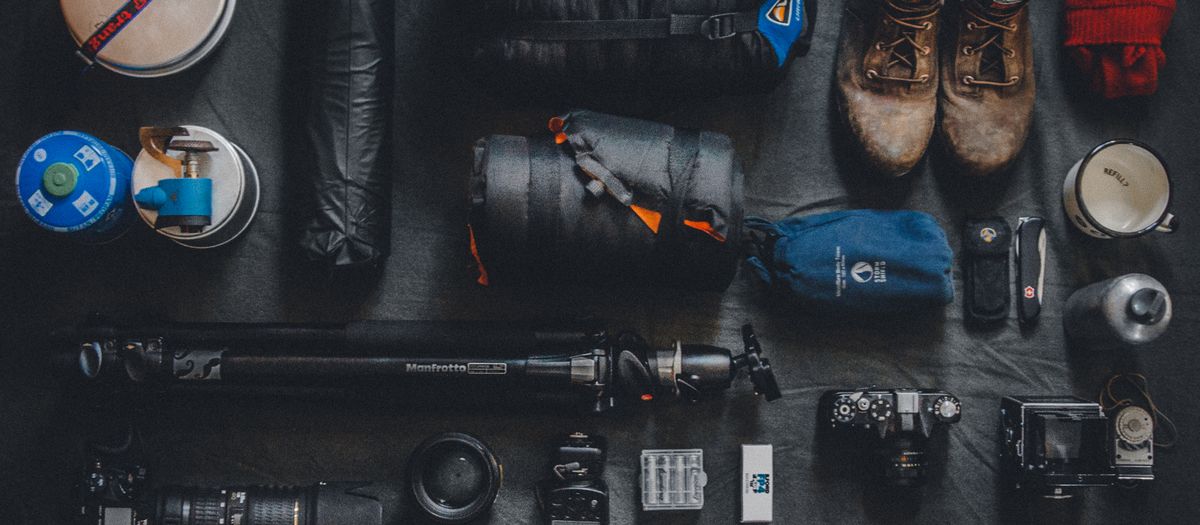
Once the bag and pad are sorted, a handful of accessories finish the sleep system — and a couple of them earn their weight several times over. This silo covers the kit that completes a backpacking sleep setup: liners (warmth boost and hygiene), pillows, compression and stuff sacks, groundsheets, and pad pumps and repair. The theme throughout is honest weight: what is worth carrying and what is dead weight. Specs are verified against manufacturer details and current retailer listings; no hands-on testing is claimed.
Most people arrive here last, after the bag and the pad — which is the right order. A liner is the standout: the cheapest way to add a few degrees and keep your bag clean.
If your trips run beyond the overnight, gear lists rhyme across the outdoors: the same weight-per-gram thinking shows up in the crash pads and chalk the bouldering crew obsess over, and a packable round of disc golf on a layover day is its own kind of trail kit. Different sports, same honest question — what earns its place in the pack.
The spec that matters: warmth or comfort per gram
Accessories are where pack weight quietly creeps up, so the test for everything in this silo is simple: does it earn its weight in warmth, comfort or protecting the gear that keeps you warm? By that rule a liner and a packable pillow almost always make the cut, a compression sack often does, and groundsheets, pumps and repair kits are situational. The numbers worth comparing are the item's weight, its packed size, and — for liners — the manufacturer's claimed warmth boost. Treat that warmth-boost figure as a manufacturer claim, not an ISO 23537 lab rating; it is a useful relative guide between liners, not a number you can add straight onto a bag's rating.
Liners: warmth boost and hygiene
A liner is a thin sleeve that slips inside the bag and does two jobs: it adds a modest amount of warmth and it keeps sweat and body oils off the insulation, which extends the bag's life and stretches the time between washes (washing is hard on fill). Merino and thermal liners add the most warmth and regulate temperature well; silk is the lightest and most packable with a smaller warmth boost; synthetic liners sit in between on price and performance. The standout use is shoulder season: a liner lets one bag cover a wider temperature range, so you carry a lighter bag and add the liner when the forecast dips rather than owning two bags.
Backpacking pillows
A real pillow is one of the best comfort-per-gram upgrades in the pack — a packable inflatable or a compressible stuffed pillow weighs almost nothing and sleeps far better than a wadded-up jacket. Inflatable pillows pack smallest and let you tune firmness; foam-and-stuff hybrids are more comfortable and less slippery but bulkier. A small detail that matters: a pillow that grips your pad or has a tie-down stays put through the night instead of sliding off onto the cold ground.
Compression and stuff sacks
A stuff sack simply contains your bag; a compression sack also squeezes it smaller to free up pack space. Down compresses well and recovers its loft fine, so a compression sack suits a down bag on a tight pack volume; synthetic tolerates it less happily over time. One rule applies to every bag: never store it compressed long-term — keep it loose in a large mesh sack or hung at home so the fill keeps its loft for years. A waterproof or dry-bag-style stuff sack also doubles as cheap insurance for down, which is useless once soaked.
Groundsheets, pumps and repair
The situational pieces round out the kit. A groundsheet or footprint protects the pad and tent floor from abrasion and punctures — worth it on rough ground, dead weight on a clean site. A pad pump (a pump sack or a small electric pump) saves you breathing moisture into an insulated air pad, which over time can dampen the internal insulation, and it speeds up camp setup. A small repair kit — patches for the pad, a little fabric tape for the bag — turns a puncture from a cold night into a five-minute fix. None of these are mandatory; each earns its place only on the trips that need it.
The modular sleep-system idea
One way to think about accessories is as a modular system — the same logic behind the military modular sleep systems people search for by name. Instead of owning a separate bag for every season, you build a core bag or quilt and add or drop layers to match the forecast: a liner inside for a few extra degrees, a lighter overbag or a heavier outer in genuinely cold conditions, and the pad sized to the season underneath. The appeal is range for less total weight and money than buying three dedicated bags. The same trade-offs from the rest of the site still apply — every added layer is weight, so add only the module the trip actually needs and leave the rest at home.
Accessories finish the system — they don't make it
Keep the order straight: warmth comes from the bag and the pad as a matched system, and accessories complete it rather than replace it. Get those two right first — the sleep-system matcher sizes the bag rating and pad R-value to your overnight low, and the warmth-to-weight comparator shows how light you can go — then add the liner, pillow and sack that suit your trip. New here? Start with the full sleep-system guide.
Featured guides
The current published guides in this silo. More land each batch.
Landing next: Best backpacking pillow, Best compression sack, Sleeping bag liner warmth boost, and Military modular sleep system explained.
Frequently asked questions
What sleep-system accessories are actually worth carrying?
The high-value ones are a liner (a few degrees of warmth plus hygiene), a packable pillow (real comfort for little weight) and a compression or stuff sack (controls pack volume). Groundsheets, pad pumps and repair kits are situational. The rule is simple: warmth or comfort per gram earns its place; everything else is optional.
Does a sleeping bag liner really add warmth?
Yes, a modest amount — manufacturers typically claim a few degrees, with merino and thermal liners at the higher end and silk lower. Treat these as manufacturer figures, not lab-standard ratings. A liner is the cheapest way to stretch a bag's rating for shoulder-season nights and keep the fill clean.
Compression sack or stuff sack?
A stuff sack just contains your bag; a compression sack also squeezes it smaller to free up pack space. Down compresses well and recovers fine, so a compression sack suits down bags on tight pack volume. Avoid leaving any bag compressed long-term — store it loose at home to protect the loft.