Best Sleeping Bag Liners
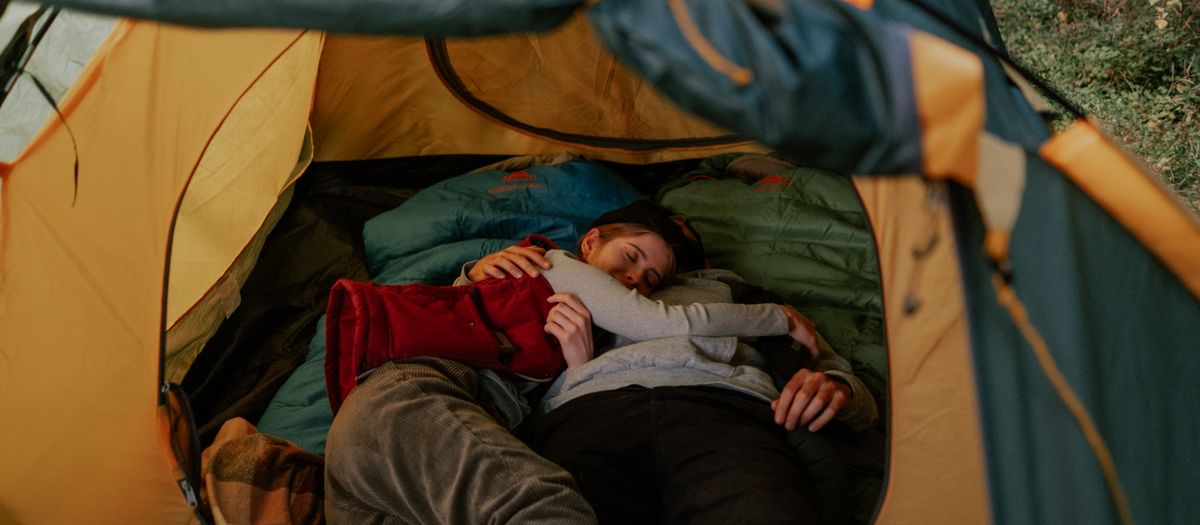
A sleeping bag liner is the cheapest way to add a few degrees of warmth without buying a warmer bag — and it keeps your bag clean so the fill lasts longer. This guide compares liners on material, warmth boost, weight and packed size, across five categories: best overall, best merino wool, best warmth-boost thermal, best lightweight silk and best budget. Verified picks appear in each slot once real product data is in.
A liner is the natural last piece of the sleep-system cart, after the bag and pad. If you are building from scratch, start with the bag and pad — see the best backpacking sleeping bag guide — then add a liner to stretch the rating for shoulder-season nights.
Specs verified against manufacturer details and current retailer listings — no hands-on testing claims. Liner warmth figures are manufacturer claims, not lab-standard ISO ratings; real-world warmth varies with the sleeper, the bag, the pad, the shelter and the conditions, and no figure is a survival guarantee.
| Best for | Material | Warmth boost | Weight | Packed size | Shape |
|---|---|---|---|---|---|
| Best overall liner | Polyester/cotton blend | A few degrees | Lightweight | Compact (stuff sack incl.) | Rectangular (with pillow pocket) |
| Best merino wool liner | Merino wool | Notable (merino insulation) | Light | Compact | Mummy |
| Best warmth-boost (thermal) liner | Fleece | High (fleece thermal layer) | Moderate | Compresses | Rectangular / envelope |
| Best lightweight silk liner | Ripstop silk | A few degrees | Very light (packs tiny) | Very compact | Mummy / rectangular |
| Best budget liner | Breathable synthetic travel-sheet fabric | Not stated | 196 / 257 / 310 g by size | Compact (dimensions not listed) | Rectangular travel sheet, 3 sizes |
Our top picks
Best overall liner: The Friendly Swede Sleeping Bag Liner - Lightweight Travel & Camping Liner

Best overall liner
The Friendly Swede Sleeping Bag Liner - Lightweight Travel & Camping Liner
The Friendly Swede
- Material: Polyester/cotton blend
- Warmth boost: A few degrees
- Weight: Lightweight
- Packed size: Compact (stuff sack incl.)
- Shape: Rectangular (with pillow pocket)
- Care: Machine washable
The Friendly Swede liner adds a few degrees of warmth, keeps a sleeping bag clean, and doubles as a standalone summer sheet. It is the best all-round liner for value and versatility.
Last checked 2026-10-09
Best merino wool liner: COCOON Premium Merino Wool TravelSheet Sleeping Bag Liner

Best merino wool liner
COCOON Premium Merino Wool TravelSheet Sleeping Bag Liner
COCOON
- Material: Merino wool
- Warmth boost: Notable (merino insulation)
- Weight: Light
- Packed size: Compact
- Shape: Mummy
- Care: Gentle wash (wool care)
The COCOON Merino Wool TravelSheet adds warmth, regulates temperature, and resists odour naturally. It is the best merino liner for cooler trips and multi-day use.
Last checked 2026-10-09
Best warmth-boost (thermal) liner: Litume All Season Fleece Sleeping Bag Liner, Adds Warmth

Best warmth-boost (thermal) liner
Litume All Season Fleece Sleeping Bag Liner, Adds Warmth
Litume
- Material: Fleece
- Warmth boost: High (fleece thermal layer)
- Weight: Moderate
- Packed size: Compresses
- Shape: Rectangular / envelope
- Care: Machine washable
The Litume fleece liner adds the most warmth in this lineup, effectively extending a bag's temperature range for cold nights. It is the best warmth-boost pick for stretching a three-season bag colder.
Last checked 2026-10-09
Best lightweight silk liner: COCOON Premium Silk Ripstop TravelSheet Sleeping Bag Liner

Best lightweight silk liner
COCOON Premium Silk Ripstop TravelSheet Sleeping Bag Liner
COCOON
- Material: Ripstop silk
- Warmth boost: A few degrees
- Weight: Very light (packs tiny)
- Packed size: Very compact
- Shape: Mummy / rectangular
- Care: Gentle wash (silk care)
The COCOON Silk Ripstop liner is the lightest and most packable option, soft against skin and ideal for warm-weather travel. It is the best lightweight silk pick for ounce-counters.
Last checked 2026-10-09
Best budget liner: Frelaxy Ultralight Sleeping Bag Liner, Compact Travel Sheet (3 Sizes)

Best budget liner
Frelaxy Ultralight Sleeping Bag Liner, Compact Travel Sheet (3 Sizes)
Frelaxy
- Material: Breathable synthetic travel-sheet fabric
- Warmth boost: Not stated
- Weight: 196 / 257 / 310 g by size
- Packed size: Compact (dimensions not listed)
- Shape: Rectangular travel sheet, 3 sizes
- Care: Machine washable, quick-drying
Frelaxy's liner uses a soft, breathable, quick-drying fabric that Frelaxy says is 50% lighter than cotton (196, 257 or 310 g depending on size), machine washes easily and comes in three sizes.
Last checked 2026-10-09
How to choose a sleeping bag liner
A sleeping bag liner is the cheapest, lightest upgrade in a sleep system, and it does two useful jobs: it adds a few degrees of warmth, and it keeps your body oils, sweat and grime off the bag so the fill lasts longer between washes. The specs that decide a liner are material first, then warmth boost, then weight and packed size, then shape and fit. Spec-by-spec, the right liner is the one whose material matches the job you want it to do — warmth, weight saving, hygiene or hot-weather comfort — at a weight you are happy to add to the pack.
It helps to be clear about what a liner is and is not. It is a warmth-boost and bag-protection layer, not a substitute for the right bag or pad. A liner can stretch a three-season bag into a cooler shoulder-season night for far less weight and money than buying a warmer bag, but it works on top of a system that is already sized roughly right — including the pad underneath, which still carries the under-body warmth. Used as a warmth boost, a liner is a smart way to add margin; used as a rescue for a badly under-rated bag on cold ground, it will not save the night.
Material: merino, silk, synthetic thermal and cotton
Material is the spec that drives everything else about a liner. Merino wool is warm for its weight, naturally odour-resistant, comfortable across a wide temperature range and regulates well when you run hot or cold — the most versatile choice, at the highest price. Silk is the lightest and most packable material with a soft, cool-to-warm feel; it adds a smaller warmth boost but is the gram-counter's pick and excellent in heat. Synthetic thermal liners (often brushed fleece-like polyester such as Thermolite) give the biggest claimed warmth gain for the money, at a little more weight and bulk, and dry fast. Cotton liners are cheap and comfortable for hut and travel use but heavy, bulky and slow-drying, which makes them a poor backpacking choice. Spec-by-spec, choose merino for all-round versatility, silk for minimum weight, synthetic thermal for maximum warmth-per-dollar, and skip cotton for the trail.
Warmth boost: read it as a manufacturer figure
Liners are marketed with an added-warmth figure — commonly "adds up to X degrees." Read these as manufacturer claims, not ISO 23537 lab ratings, because there is no standardised liner-warmth test the way there is for bags. Synthetic thermal and merino liners sit at the higher end of claimed boosts; silk at the lower end. Spec-by-spec, treat the boost as a rough margin rather than a precise rating you can subtract from your bag's number — real-world warmth varies with the sleeper, the bag, the pad, the shelter and the conditions, and no figure is a survival guarantee. The honest way to use it: a liner buys you a cushion for a colder-than-forecast night, not a guaranteed shift in your bag's ISO Comfort rating.
Weight and packed size
Weight and packed size are the carrying cost, and for a warmth-boost layer they should stay small. Silk is the lightest and smallest-packing; merino sits in the middle; synthetic thermal is the heaviest of the warm options; cotton is the heaviest and bulkiest overall. Spec-by-spec, a liner that adds real weight starts to compete with simply carrying a warmer bag or a higher-R pad, so weigh the warmth boost against the grams. For most backpackers a silk or lightweight merino liner in the few-ounce range is the right balance of warmth, hygiene and pack space.
Shape and fit
Liners come in rectangular, tapered/mummy and travel-pod shapes, often with a hood or pillow pocket. For backpacking, a mummy-cut liner matches a mummy bag and avoids excess fabric bunching inside it, while a rectangular liner gives more room and doubles as a standalone sheet for warm nights or hut stays. Check the length against your height and the cut against your bag — a liner that twists or balls up inside the bag is annoying and does its warmth job less well. A hooded or drawcord-top liner holds a little more warmth around the head and shoulders.
Entry style matters too. Some liners use a long side zip or a wide mouth so you can get in and out without fighting the fabric, which is worth having when the liner sits inside a snug mummy bag. Others are a simple slip-in pocket that is lighter but fiddlier on a cold night. Spec-by-spec, match the liner's opening to how you actually use the bag: a roomy entry for frequent in-and-out, a minimal slip design when every gram counts and you settle in for the night.
Hygiene and bag care
The second reason to carry a liner is bag protection. Down and synthetic fill both lose loft as body oils, sweat and dirt build up, and bags are awkward and risky to wash often. A liner takes the grime instead and washes easily, so the bag stays cleaner and holds its loft — and therefore its warmth — for longer. Merino's odour resistance is a real advantage on multi-day trips here. Spec-by-spec, even setting warmth aside, a liner that extends the working life of a several-hundred- dollar bag is a sound, low-cost addition.
Where the liner fits in the system
A liner is the top layer of the sleep-system stack: bag, then pad underneath for ground warmth, then liner inside for a few degrees of boost and protection. It is the cheapest lever for adding margin, but it sits on top of getting the two big specs right first. Spec-by-spec, a liner adds a claimed handful of degrees inside the bag, while the pad's R-value is what blocks the ground heat loss beneath you — so a liner complements a correctly rated bag and pad rather than replacing either. Start with the best backpacking sleeping bag for your overnight low, add the right best backpacking sleeping pad R-value for the season, then use a liner for the final margin — and run the trip through the sleep-system matcher to size the bag and pad together first.
Material by material, spec by spec
Lined up against each other, the four materials sort cleanly by what they are best at. Merino wool leads on all-round versatility and odour resistance, sits mid-weight, and carries a solid claimed warmth boost — the default for backpackers who want one liner for most trips, at the highest cost. Synthetic thermal leads on claimed warmth-per-dollar and dries fastest, at the most weight and bulk of the warm options — the pick when stretching a bag into colder nights is the goal and budget matters. Silk leads on weight and packed size with a soft feel and a smaller warmth boost — the gram-counter's liner and the best in heat. Cotton leads only on price and at-home comfort, and loses on weight, bulk and drying time — fine for huts and travel, wrong for the backcountry. Spec-by-spec, pick the material for the single job you most want the liner to do.
Liners as a warm-weather sheet
A liner is not only a cold-weather tool. On hot summer nights, a silk or lightweight merino liner can be used on its own as a breathable sheet — cooler and lighter than getting into a bag — while still keeping you off the tent floor and giving a layer to pull over you if the night cools. This is the same warmth-to-weight logic running the other way: the lightest sleep layer that still does the job. Spec-by-spec, a versatile liner earns its place across more of the year than its few claimed degrees of cold-weather boost alone would suggest.
Common mistakes to avoid
The first mistake is buying a liner to rescue an under-rated bag on cold ground. Spec-by-spec, a liner adds a few claimed degrees inside the bag, but it cannot fix a cold pad — if the ground is taking your heat, fix the pad's R-value, not the liner. The second is choosing cotton for backpacking because it is cheap; the weight, bulk and slow drying make it a poor trail choice. The third is over-relying on the marketed warmth figure as if it were an ISO lab rating; it is a manufacturer claim, so treat it as rough margin. The fourth is a poor fit — a liner that twists or balls up inside the bag is annoying and insulates less evenly, so match the cut and length to your bag and height.
Care and washing
The liner's hygiene job depends on actually washing it, which is the point: it is far easier to launder than a bag. Wash a liner regularly to your trail rhythm, following the material's care instructions — merino in particular benefits from a gentle wool wash to keep its fibres and odour-resistance intact. Because the liner takes the body oils and grit, the bag stays cleaner and holds its loft longer, which protects the most expensive part of the sleep system. Spec-by-spec, a few ounces of liner that you wash often extends the working life and rated warmth of a bag worth many times more.
How we frame the picks
Each slot is anchored to measurable specs and use case. "Best overall" balances warmth boost, weight and versatility (typically merino); "best for warmth" leads on the highest claimed boost (thermal or merino); "best ultralight" leads on the lowest weight and packed size (silk); and "best budget" is the lowest price that still does the job. Comparisons here are spec aggregation from manufacturer details — material, claimed warmth boost, weight, packed size — not personal testing, and liner warmth figures are manufacturer claims rather than ISO lab ratings. Verified picks fill each slot once real product data is in.
Frequently asked questions
How much warmth does a sleeping bag liner add?
Manufacturers typically claim a few degrees of added warmth, with thermal and merino liners at the higher end and silk at the lower. Treat these as manufacturer figures, not lab-standard ISO ratings — real-world warmth varies with the sleeper, the bag, the pad, the shelter and the conditions, and no figure is a survival guarantee. Verified picks land on this page once real product data is in.
Is a liner a cheaper way to extend a bag's rating?
Often, yes. A warmth-boost liner adds a few degrees for far less weight and money than a warmer bag, which can stretch a 3-season bag into colder shoulder-season nights. It also keeps body oils and grime off the bag, so the down or synthetic fill lasts longer between washes.
Merino, silk, or synthetic thermal liner?
Merino is warm, odour-resistant and comfortable across a wide range but costs more. Silk is the lightest and most packable, with a smaller warmth boost. Synthetic thermal liners give the biggest claimed warmth gain for the price, at a little more weight. It is a trade-off between warmth, weight and cost.