Best Backpacking Sleeping Bags
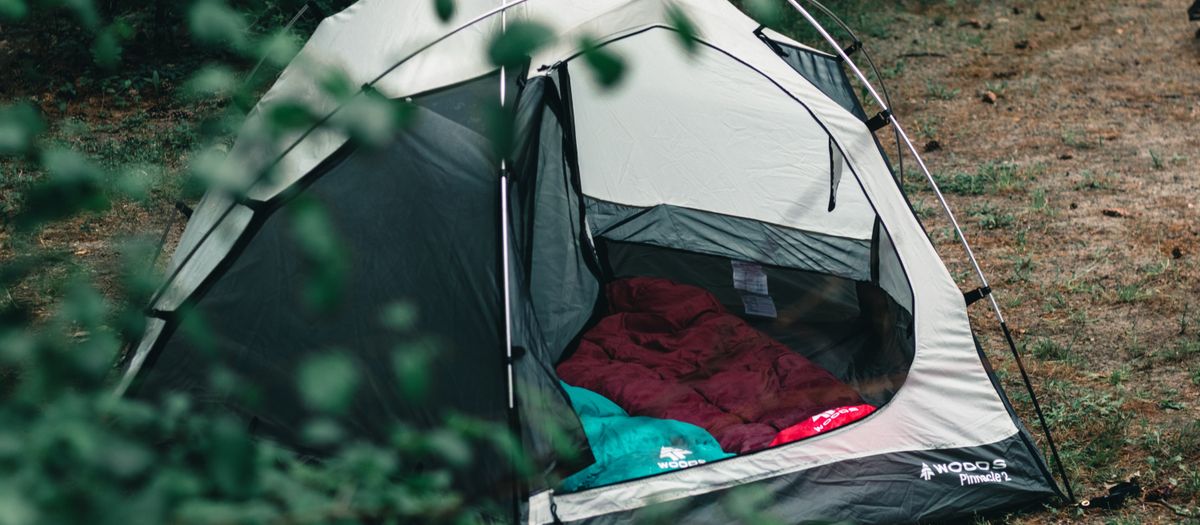
The best backpacking sleeping bag is the one whose ISO temperature rating matches your overnight low without hauling grams you do not need. This guide compares bags on the specs that decide the fit — ISO 23537 Comfort and Limit rating, down vs synthetic fill, fill power, weight and packed size — then matches them to five categories: best overall, best budget, best down bag, best quilt and best synthetic bag. Verified picks appear in each slot once real product data is in.
Remember that a bag is only half of staying warm — the pad underneath carries the other half of the warmth, so read the rating alongside your pad's R-value. See the best backpacking sleeping pad guide and run your trip through the sleep-system matcher to size the bag and pad as one system.
Specs verified against manufacturer details and current retailer listings — no hands-on testing claims. Temperature ratings are lab figures (ISO 23537 Comfort/Limit); real-world warmth varies with the sleeper, the pad, the shelter and the conditions, and no rating is a survival guarantee.
| Best for | Temp rating (ISO) | Fill | Fill power | Weight | Shape |
|---|---|---|---|---|---|
| Best overall | 3-season (approx 30-40°F) | Down | 650 FP | Ultralight (sub-2 lb) | Mummy |
| Best budget | 3-season | Down | 600 FP | Lightweight | Mummy |
| Best down bag | Multiple ratings (0-20°F options) | Down | Down fill (high loft) | Lightweight | Mummy |
| Best quilt | 20°F | DriDown (water-resistant down) | Down fill | Lightweight | Quilt (zipperless) |
| Best synthetic bag | 20°F (rating standard not stated) | Cirroloft synthetic | n/a (synthetic); 30.5 oz fill weight | 2 lb 13 oz | Mummy, women's cut (fits to 6 ft) |
Our top picks
Best overall: Naturehike Ultralight Down Sleeping Bag, 650 Fill Power, Backpacking Mummy Bag

Best overall
Naturehike Ultralight Down Sleeping Bag, 650 Fill Power, Backpacking Mummy Bag
Naturehike
- Temp rating (ISO): 3-season (approx 30-40°F)
- Fill: Down
- Fill power: 650 FP
- Weight: Ultralight (sub-2 lb)
- Packed size: Compact (stuff sack incl.)
- Shape: Mummy
The Naturehike Ultralight 650FP down bag balances warmth, low weight, and price for three-season backpacking. It is the best all-round pick for hikers who want real down performance without premium cost.
Last checked 2026-10-09
Best budget: QEZER Down Sleeping Bag for Adults, 600 Fill Power Lightweight Backpacking Bag

Best budget
QEZER Down Sleeping Bag for Adults, 600 Fill Power Lightweight Backpacking Bag
QEZER
- Temp rating (ISO): 3-season
- Fill: Down
- Fill power: 600 FP
- Weight: Lightweight
- Packed size: Compact (stuff sack incl.)
- Shape: Mummy
The QEZER 600FP down bag delivers down warmth at one of the lowest prices available. It is the best budget pick for backpackers wanting down over heavier synthetic at entry cost.
Last checked 2026-10-09
Best down bag: QEZER Down Mummy Sleeping Bag for Adults, Lightweight Backpacking Down Bag

Best down bag
QEZER Down Mummy Sleeping Bag for Adults, Lightweight Backpacking Down Bag
QEZER
- Temp rating (ISO): Multiple ratings (0-20°F options)
- Fill: Down
- Fill power: Down fill (high loft)
- Weight: Lightweight
- Packed size: Compact (stuff sack incl.)
- Shape: Mummy
The QEZER down mummy bag is sold in several temperature ratings and offers strong warmth-to-weight for the price. It is the best dedicated down pick for backpackers choosing a specific temperature rating.
Last checked 2026-10-09
Best quilt: Sierra Designs Cloud Quilt 20 Degree DriDown Backpacking Quilt

Best quilt
Sierra Designs Cloud Quilt 20 Degree DriDown Backpacking Quilt
Sierra Designs
- Temp rating (ISO): 20°F
- Fill: DriDown (water-resistant down)
- Fill power: Down fill
- Weight: Lightweight
- Packed size: Compact
- Shape: Quilt (zipperless)
The Sierra Designs Cloud Quilt 20 uses water-resistant DriDown in a versatile quilt design that saves weight over a full mummy bag. It is the best quilt pick for backpackers who move around or want a lighter top-bag system.
Last checked 2026-10-09
Best synthetic bag: Kelty Cosmic Synthetic 20F Mummy Sleeping Bag, 3 Season (Women's, Regular)

Best synthetic bag
Kelty Cosmic Synthetic 20F Mummy Sleeping Bag, 3 Season (Women's, Regular)
Kelty
- Temp rating (ISO): 20°F (rating standard not stated)
- Fill: Cirroloft synthetic
- Fill power: n/a (synthetic); 30.5 oz fill weight
- Weight: 2 lb 13 oz
- Packed size: 16 × 9 in uncompressed; compression sack included
- Shape: Mummy, women's cut (fits to 6 ft)
Kelty's Cosmic Synthetic 20 uses Cirroloft synthetic fill (30.5 oz) that keeps its loft when damp, weighs 2 lb 13 oz, packs into an integrated compression sack and fits sleepers up to 6 ft in this women's regular cut.
Last checked 2026-10-09
How to choose a backpacking sleeping bag
A backpacking sleeping bag earns its place in your pack on a handful of measurable specs, and the skill is reading them as a set rather than chasing one impressive number. The order that matters on the trail is temperature rating first, then fill type, then fill power, then weight and packed size, then shape. Get the rating right and the rest is a series of trade-offs between warmth, weight, money and how the bag behaves when conditions turn against you. Spec-by-spec, the bag with the lowest claimed temperature number is rarely the right buy — it is the bag whose ISO Comfort rating, fill and weight line up with the trips you actually take.
It also helps to hold one idea steady while you read every spec below: a sleeping bag is only half of staying warm. The pad underneath carries the other half. A 20°F bag on a 2.0 R-value pad sleeps like a much colder bag, because the crushed insulation beneath you does almost nothing to slow the ground pulling your body heat away. So treat the bag rating and the pad R-value as one paired figure, not two separate purchases — that framing decides more cold nights than any single bag spec on this page.
ISO 23537 temperature rating: Comfort vs Limit
Temperature rating is the headline spec, and the one most often misread. Reputable bags are rated to the ISO 23537 standard (the successor to EN 13537), a lab test run on a heated, sensored mannequin that produces two numbers worth knowing. The Comfort rating is the lowest temperature at which a "standard cold sleeper" is expected to sleep comfortably curled or relaxed. The Limit rating (sometimes "Lower Limit") is the lowest temperature at which a "standard warm sleeper" is expected to sleep in a curled position on the edge of shivering. There is also an Extreme rating, which is a survival-only figure and should never be used to choose a bag.
The practical rule is to buy to the Comfort rating, not the Limit. The Limit number is the one brands tend to print large on the hang tag because it is colder and sounds more capable, but it assumes a warm sleeper at the edge of comfort. Cold sleepers, smaller-framed people and women in particular sleep colder than the standard test sleeper, so for them the Comfort rating is the honest figure. Spec-by-spec, a bag listed as "20°F" on the tag may carry an ISO Comfort rating closer to 30°F — match the Comfort number to your coldest expected overnight low and add margin for exposed sites, wind and a still night with a clear sky. These are lab figures; real-world warmth varies with the sleeper, the pad, the shelter and the conditions, and no rating is a survival guarantee.
Fill type: down vs synthetic
Fill type is the next decision, and it is a genuine trade-off rather than a winner. Down — the soft under-plumage of ducks or geese — gives the most warmth for the least weight and packs down the smallest, which is why it dominates ultralight and three-season kits. It is also the most durable insulation over years of use if cared for. Its weakness is moisture: when down gets wet it collapses and loses most of its loft, and it is slow to dry. Many bags now use hydrophobic-treated down to slow that down, but treated down is a delay, not a fix.
Synthetic fill — polyester fibres engineered to mimic down's loft — is heavier and bulkier for the same warmth, but it keeps far more of its insulating value when damp and dries faster, and it costs less. Spec-by-spec, that makes synthetic the safer pick for wet shoulder seasons, condensation-prone shelters, canoe and packraft trips, and anyone who would rather not baby their gear. The clean way to decide: choose down when weight and pack size lead and you can keep the bag dry; choose synthetic when wet-weather reliability and budget lead. Neither is "best" — they are answers to different trips.
Fill power (down only)
Fill power applies to down bags and measures the loft, or fluffiness, of the down — the cubic inches one ounce of down expands to fill. Common figures run from around 600 up to 900+. A higher fill power means the down traps more air per gram, so a 850-fill bag reaches a given warmth with less down weight than a 650-fill bag at the same rating. Spec-by-spec, higher fill power buys you a lighter, more compressible bag for the same temperature rating — at a higher price. It does not make a bag warmer on its own; two bags with the same ISO Comfort rating are rated for the same temperature regardless of fill power. What higher fill power changes is the weight and packed size you carry to get there. For budget buyers, 650–700 fill is a sensible value tier; weight-focused backpackers pay up for 800+.
Weight and packed size
Weight and packed size are the "to weight" half of the brand's whole metric, and they follow directly from the choices above. For a given warmth, the lightest, smallest-packing bag is a high-fill-power down mummy; the heaviest, bulkiest is a budget synthetic rectangular bag. Read the packed weight and the stuffed dimensions together — a bag that is light but does not compress well still eats pack volume. Spec-by-spec, a three-season down mummy in the 1.5–2.5 lb range is the common sweet spot for backpackers, with ultralight quilts dropping well under that and winter bags climbing well above it. The honest framing is warmth-to-weight: how little you can carry without sleeping cold, which is set by your rating need, not by chasing the lightest number on the shelf.
Shape: mummy, semi-rectangular and quilt
Shape decides both warmth efficiency and how the bag feels to sleep in. A mummy is cut close to the body with a hood, so there is less dead air to heat and the bag is warmer per gram — the standard for cold and weight-conscious backpacking, at the cost of room to move. Semi-rectangular bags trade a little warmth efficiency for more space, suiting restless or larger sleepers. A quilt removes the back insulation entirely (you lie on it, crushed, so it does little there) and relies on the pad for under-warmth, saving weight and giving more freedom — the ultralight three-season favourite, and a clear illustration of why the pad's R-value carries the under-body warmth. Spec-by-spec, a mummy is warmest per gram, a quilt is lightest, and a semi-rectangular bag is roomiest; pick for the trade-off you value most.
Women's and short bags
Many ranges include women's-specific and short versions, cut shorter with more insulation at the feet and hips and often a warmer ISO Comfort rating for the same model. If you are a smaller-framed or colder sleeper, a women's or short bag can be both warmer and lighter for you than the standard cut, because there is less length and girth of dead air to heat. Read the ISO Comfort figure on the specific size you are buying rather than the model headline.
The bag is half the system — pair it with the pad
This is the spec relationship that ties the whole page together. Lying down compresses the insulation beneath you, so the bag's underside contributes very little — the pad's R-value is what blocks heat draining into the cold ground. Spec-by-spec, pairing a 20°F bag with a 2.0 R-value pad leaves you exposed to conductive ground loss the bag cannot cover, while the same bag on a 4.5+ R-value pad sleeps to its rating. Size the two together: pick the ISO Comfort rating for your overnight low, then pick a pad R-value for the same season. The best backpacking sleeping pad guide covers the R-value side, and the sleep-system matcher sets the bag rating and pad R-value for your trip as one paired result. A sleeping bag liner can add a few claimed degrees on top, a cheaper way to stretch a three-season bag into a colder night.
Baffle construction and zippers
Two build details separate a bag that holds its rating from one that develops cold spots. The first is baffle construction in down bags: sewn-through baffles stitch the inner and outer shells directly together, which is light and cheap but creates cold seams where there is no loft, while box-wall (and continuous) baffles use internal fabric walls to keep an even depth of down across the bag, holding warmth better for the rating's sake at a small weight penalty. Cold-rated bags should use box-wall; a sewn-through bag is fine for warmer ratings. The second is the zipper: a full-length zip ventilates on warm nights and is easier to get in and out of, while a half or three-quarter zip saves weight and removes a cold seam. Spec-by-spec, look for an insulated draft tube behind the zip so the zipper line itself does not leak heat.
Common mistakes to avoid
The most expensive mistake is shopping to the Limit rating because the number is colder and looks more capable. Spec-by-spec, that buys a bag that runs cold for most sleepers — buy to the Comfort rating and add margin instead. The second mistake is pairing a well-rated bag with a thin, low-R pad: a 20°F bag on a 2.0 R-value pad still sleeps cold because the ground, not the air, is taking your heat. The third is chasing the lightest bag without checking it is warm enough for the coldest night you might face — warmth-to-weight means the least weight that still keeps you warm, not the least weight full stop. The fourth is treating down as bombproof in the wet; on damp shoulder- season trips a synthetic bag or a vapour-aware down setup is the safer call.
Care and longevity
A sleeping bag is a multi-year purchase, and how it is stored matters as much as how it is used. Down and synthetic fill both lose loft — and therefore warmth — if compressed for long periods, so store the bag loosely in a large cotton or mesh sack at home and only stuff it into its compression sack on the trail. Keep it clean: body oils and dirt degrade loft, which is the strongest argument for a sleeping bag liner to take the grime instead. Wash sparingly with the correct cleaner (down-specific wash for down) and dry fully. Spec-by-spec, a bag whose loft is preserved holds its rated warmth for years; a bag stored crushed loses warmth no rating can restore.
How we frame the picks
Every slot on this page is anchored to measurable specs, not to opinion. "Best overall" means the strongest balance of ISO Comfort rating, fill power and weight for general three-season backpacking; "best budget" is the lowest price that still hits a usable rating; "best down bag" leads on warmth-to-weight; "best quilt" is the lightest under-body-free option for warm-and-mild trips; and "best synthetic" leads on wet-weather reliability for the money. Product comparisons here are spec aggregation drawn from manufacturer details and standardised lab figures — ISO 23537 Comfort and Limit ratings, fill power, packed weight — not personal testing. Verified picks fill each slot once real product data is in.
Frequently asked questions
What temperature rating do I need in a backpacking sleeping bag?
Match the bag's ISO 23537 Comfort rating to the coldest overnight low you expect, and build in margin for cold sleepers and exposed sites. Comfort and Limit are lab figures; real-world warmth varies with the sleeper, the pad, the shelter and the conditions, and no rating is a survival guarantee. Verified picks land on this page once real product data is in.
Should I buy to the Comfort rating or the Limit rating?
Buy to the ISO 23537 Comfort rating. The Limit rating assumes a warm sleeper curled up at the edge of shivering — it is optimistic for most people. Cold sleepers and women in particular should shop to Comfort, not Limit.
Down or synthetic for a backpacking sleeping bag?
Down packs smaller, weighs less and lasts longer for the same warmth, which is why it dominates ultralight kits. Synthetic keeps more of its loft when damp and costs less, which makes it the safer pick for wet shoulder-season trips. Neither is "best" — it is a trade-off between weight and wet-weather reliability.